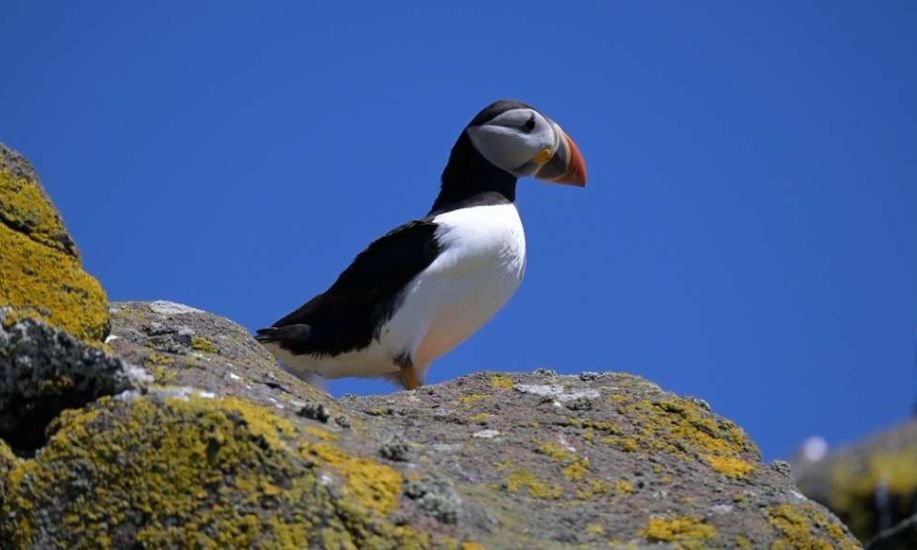
“When’s the best time to visit Scotland?” is the question we’re asked more than any other. The honest answer is that there’s no bad time, just different Scotlands. Summer brings long, light evenings and puffins on the Isle of May. Autumn sets the hills on fire with colour. Winter gives you snow-capped mountains, cosy pubs and castles with hardly another visitor in sight.
As local tour guides who are out on the road all year round, here’s our month-by-month guide to help you choose the right time for your trip.
The Quick Answer
If you want the best balance of long days, decent weather and smaller crowds, May and September are hard to beat. If you’re coming for festivals and the longest days, choose June to August, but book early. If you’d rather have quieter roads and lower hotel prices, October to March has a magic of its own.
Spring in Scotland (March to May)
March
Scotland is waking up. The days are getting noticeably longer, there’s often still snow on the high tops, and the first daffodils appear along the roadsides. Most castles and visitor attractions are open, although some seasonal sites reopen at Easter. It’s a lovely, quiet month for a day tour, with mountain views at their crispest.
April
Lambs fill the fields, the countryside turns green and the puffins return to the Isle of May. Around Easter, the Highland cows return to their field at Kilmahog in the Trossachs, ready for their close-ups on our Stirling Castle and Trossachs tour. The weather can give you four seasons in a day, so pack layers. Whisky lovers should look out for the Spirit of Speyside Whisky Festival, held around the end of April and the start of May.
May
For many people, May is Scotland at its very best. The days are long, the bluebells are out in the woods, and May is often one of the drier months. The midges haven’t fully arrived yet, and the summer crowds are still a few weeks away. It’s also the start of the Highland Games season and the month of Fèis Ìle, the Islay Festival of Music and Malt.
Summer in Scotland (June to August)
June
Midsummer in Scotland means extraordinary daylight. In Glasgow and Edinburgh, the sun rises before 5am and sets after 10pm, and in the far north it never gets fully dark. Puffin numbers on the Isle of May are at their peak, making it the perfect time for our Isle of May puffin tour, and the long evenings are ideal for exploring Skye and the Highlands. The midges arrive in the west Highlands, so bring repellent.
July
July is usually the warmest month, with temperatures in the high teens and occasional days well into the twenties. Scottish schools break up at the end of June, so the most popular places, such as Glencoe, Loch Ness and Skye, are at their busiest. A private tour comes into its own in July, because your guide can time the busiest stops to beat the coaches, whether you’re out for the day or travelling with us on one of our multi-day tours of Scotland.
August
August belongs to Edinburgh. The Edinburgh Festival Fringe and the Royal Edinburgh Military Tattoo fill the city with performers and visitors, and hotel prices rise to match. Out in the Highlands, the heather turns the hills purple. If you’re visiting Edinburgh in August, book everything as early as you can, including your tour.
Autumn in Scotland (September to November)
September
September is our other favourite month. The summer crowds have gone, the weather is often settled, the heather is still in bloom and the midges are fading fast. The Braemar Gathering, the most famous of all the Highland Games, takes place on the first Saturday of the month. It’s a wonderful time for one of our private whisky tours, with the distilleries quieter than in summer.
October
October brings the autumn colours, and Perthshire, the Trossachs and the Highlands glow in shades of gold and red. It’s also the season of the red deer rut, when you may hear stags roaring across the glens. The clocks go back at the end of the month, so the days shorten quickly. A few of our seasonal tours, including Culzean Castle and Scone Palace, finish for the year.
November
November is one of the quietest months to visit, and one of the best value for flights and hotels. The light is low and golden, and you’ll often have famous viewpoints to yourself. St Andrew’s Day, Scotland’s national day, falls on 30 November, and the Christmas markets open in Glasgow and Edinburgh towards the end of the month.
Winter in Scotland (December to February)
December
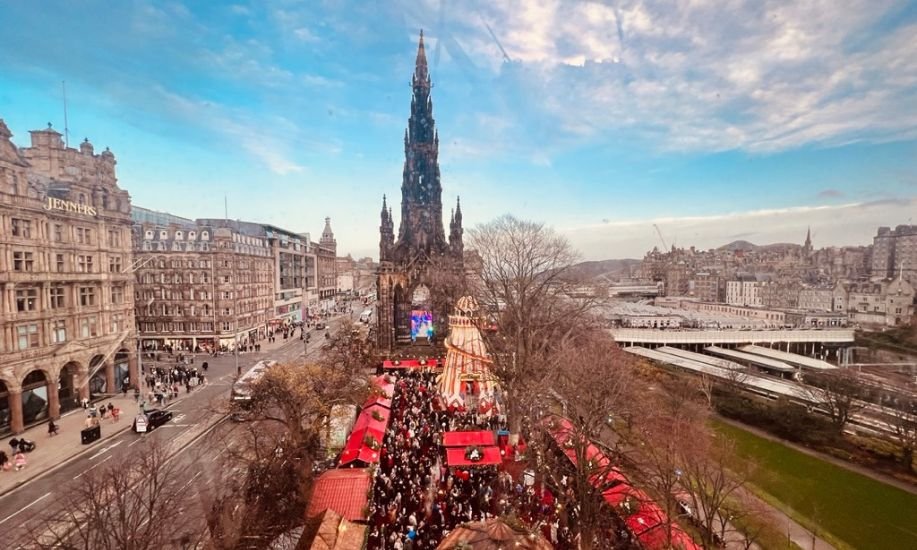
Scotland does winter beautifully. The Christmas markets and lights bring Glasgow and Edinburgh to life, the mountains are often dusted with snow, and there’s nothing better than a dram by a pub fire after a day out. Days are short, around seven hours of daylight in the central belt, so our private day tours in winter are planned around the light. The month ends with Hogmanay, Scotland’s famous New Year celebration.
January
January is cold, crisp and quiet. On a clear day, the light on the snow-covered hills of Glencoe and the Trossachs is spectacular. On 25 January, Scotland celebrates Burns Night with haggis, whisky and poetry. Glasgow’s Celtic Connections music festival also brightens up the second half of the month.
February
February is the quietest month of the year, and one of the cheapest. Snowdrops carpet the woodlands, the days start to lengthen again, and on clear nights in the north you may even catch the northern lights. It’s a great time to visit Stirling Castle, when you’ll have the royal palace almost to yourself and the lochs of the Trossachs are often still enough to mirror the snow-capped hills.
Scotland’s Weather: What to Expect
Scottish weather is famously changeable, and it’s rarely the same across the country on the same day. The west is wetter and greener, while the east, including Edinburgh, St Andrews and Fife, is drier and often sunnier. Summer temperatures usually sit in the mid to high teens, and winter days hover just above freezing to around seven or eight degrees.
The best advice we can give is to bring layers and a waterproof jacket whatever the season, and not to let a grey morning put you off. Some of our guests’ favourite photos were taken minutes after a shower, with a rainbow over the loch.
Midges: When They’re Around and How to Avoid Them
Midges are tiny biting insects that appear from late May to September. They’re at their worst on calm, damp evenings in the west Highlands and islands, and much less of a problem in the cities, on breezy days and along the east coast. A good repellent, such as Smidge, is worth packing for summer trips to the Highlands. Your guide will know the spots where a little breeze keeps them away.
When Is Scotland Busiest?
The busiest time to visit Scotland is from late June to the end of August, when school holidays, cruise ships and the Edinburgh festivals all come together. Easter and the weeks around Christmas and Hogmanay are busy too. If you’re travelling at these times, book your accommodation and tours as early as possible. Our diary for summer fills up months in advance.
The good news is that our private tour prices are the same all year round, so you’ll pay the same whether you visit in January or July.
So, When Should You Visit Scotland?
If we had to choose, we’d say May or September for the best all-round trip. Come in June and July for the longest days and the puffins, in October for the autumn colours, and in winter for snowy mountains, festive cities and the warmest of welcomes in the pubs.
Whenever you come, a private tour lets you make the most of the season, with a local guide who knows where the light will be best, where the crowds will be and where to find the perfect lunch stop on a rainy day.
Frequently Asked Questions
What is the best month to visit Scotland?
For most visitors, May and September are the best months to visit Scotland. You get long days, a good chance of settled weather, fewer midges than midsummer and fewer crowds than July and August.
What is the cheapest time to visit Scotland?
November to March, outside Christmas and Hogmanay, is usually the cheapest time for flights and hotels. Our private tour prices stay the same all year round.
When is midge season in Scotland?
Midges are usually around from late May to September. They’re worst on calm, damp evenings in the west Highlands and islands, and much less of a problem in the cities, on breezy days and along the east coast.
When can you see puffins in Scotland?
Puffins return to the Isle of May in April and stay until around early August, with May to mid-July the best time to see them. Our Isle of May puffin tour sells out quickly, so we recommend booking well in advance.
Plan Your Private Tour of Scotland
Whatever the season, we’d love to show you our Scotland. Get in touch to tell us when you’re travelling and what you’d like to see, and we’ll plan a private tour that makes the most of the time of year. Come as a guest, leave as a friend.